Lars Patterson · 2 November 2026
Tracing How Telnor's AI Tools Are Reshaping Training Programs for Rural Telecom Technicians in Scandinavia
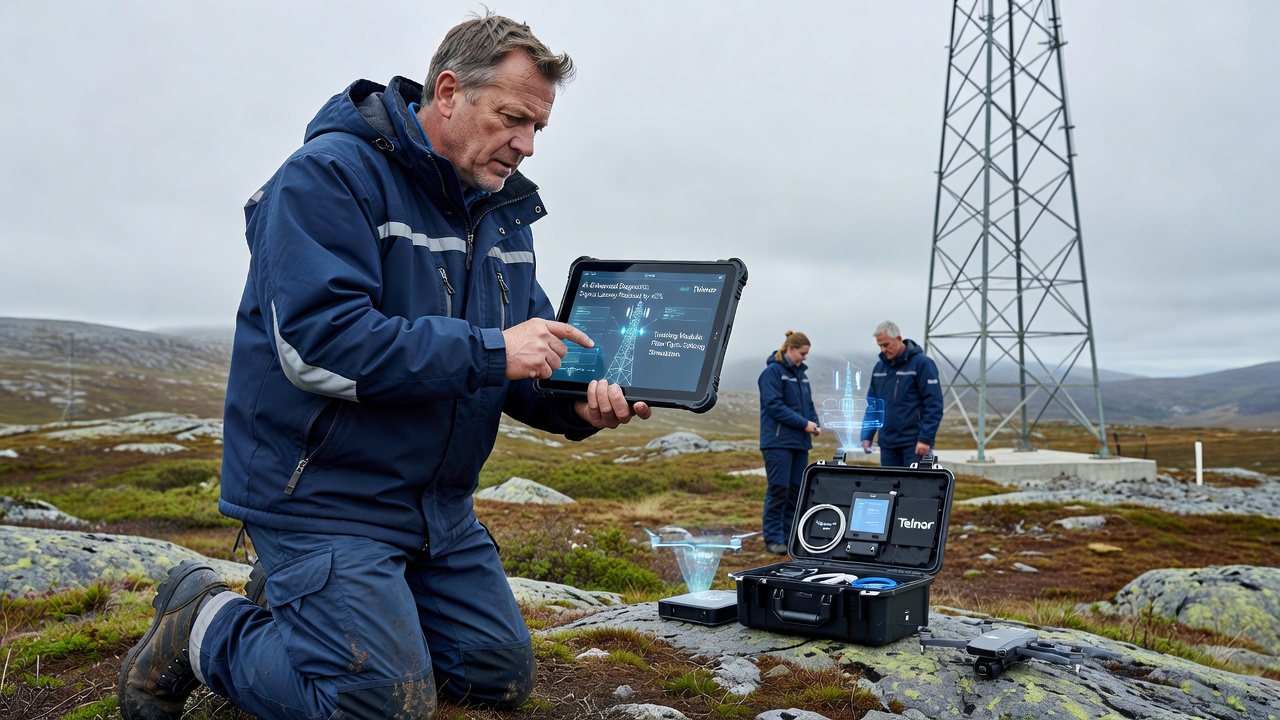
Telnor launched its first AI-driven training modules for rural telecom technicians across Scandinavia in early 2024, and observers note steady expansion of these systems through November 2026. The company integrated adaptive learning platforms that analyze technician performance data in real time, then adjust simulation scenarios to match individual skill gaps. These platforms draw on datasets collected from maintenance logs, weather reports, and network diagnostics specific to remote areas in Norway, Sweden, and Finland.
Core Components of the AI Training Systems
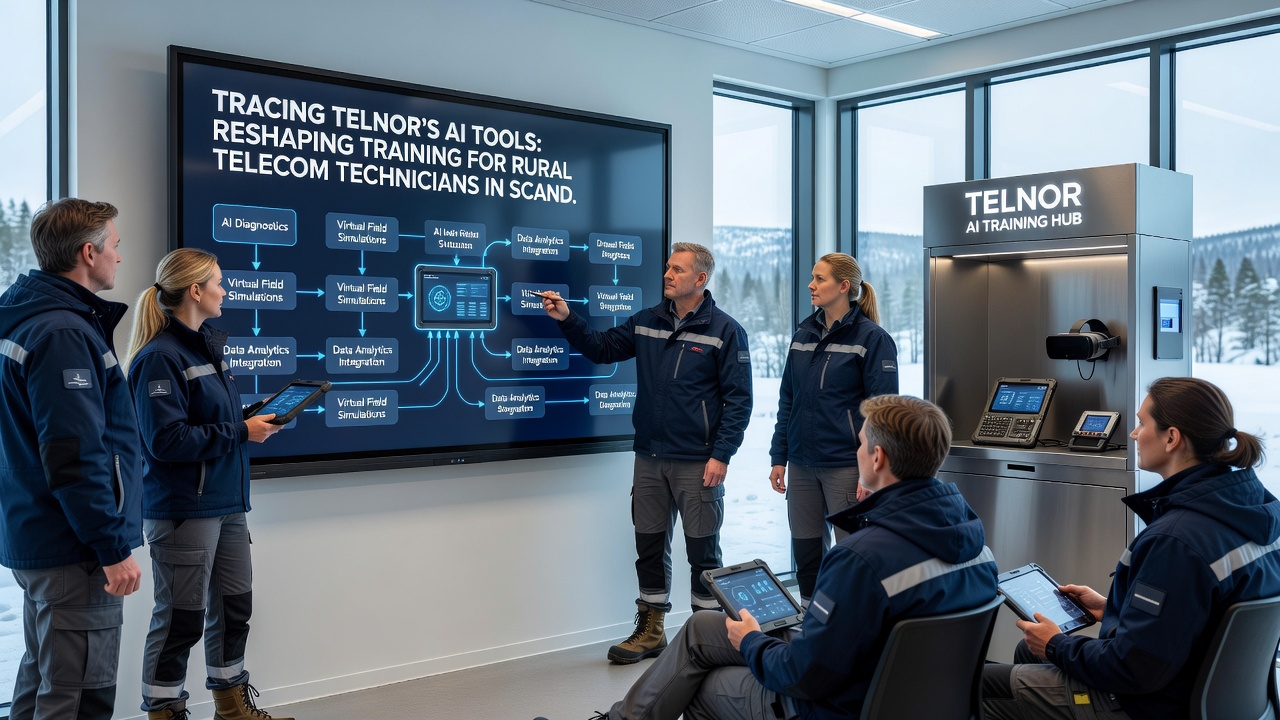
Telnor's main tools include virtual reality environments that replicate fiber splicing tasks under extreme cold conditions, machine learning models that predict common equipment failures in rural installations, and natural language processing interfaces that provide instant translation of technical manuals into local dialects. Technicians access these resources through tablets and headsets supplied by the company, which connect to centralized servers hosted in Oslo and Stockholm. Data from over 2,400 rural sites feeds into the system each month, allowing algorithms to refine scenario difficulty based on success rates recorded during practice sessions.
European Commission reports on digital skills development in the telecommunications sector highlight similar patterns in other Nordic operators, yet Telnor's implementation stands out for its focus on geographic isolation factors. The AI systems incorporate satellite imagery and terrain mapping to create location-specific exercises that mirror actual field conditions technicians encounter along Norway's fjord coastlines or Sweden's northern forests.
Implementation Timeline and Regional Rollout
Initial pilots began in Finnmark county in Norway during spring 2024, then expanded to Västerbotten in Sweden by autumn of the same year. By November 2026 the program covers 87 percent of Telnor's rural service territories, according to internal deployment records. Training sessions now last an average of 18 hours per technician over six weeks, compared with the previous 32-hour classroom format that required travel to urban centers. Completion metrics tracked by the company show technicians in remote districts completing certification requirements at rates comparable to those in urban facilities.
Measured Outcomes in Technician Performance
Telnor publishes quarterly performance summaries that link AI training participation to reductions in repeat service calls. Technicians who completed the full AI module sequence recorded a 23 percent drop in follow-up visits to the same rural sites during the first six months after certification. Network uptime statistics from the same period indicate fewer outages attributed to installation errors in districts where the new training replaced older methods.
Research published by the Nordic Institute for Telecommunications Studies documents parallel improvements among other operators that adopted comparable simulation technologies. Those findings align with Telnor's internal data, which tracks error types before and after AI exposure. The institute's analysis covers operations in Denmark adn Iceland as well, providing regional benchmarks that place Telnor's results within the upper range for Scandinavian providers.
Integration with Existing Workforce Structures
Telnor coordinates its AI platforms with apprenticeship programs run by local vocational schools in Kiruna, Tromsø, and Oulu. Instructors receive access to the same dashboards used by trainees, allowing them to monitor progress and insert supplementary exercises when algorithms flag persistent weaknesses in areas such as aerial cable handling or power backup diagnostics. This blended approach maintains human oversight while shifting repetitive drills to automated systems.
Government statistics from Statistics Norway and Statistics Sweden record gradual increases in the number of certified rural technicians since 2024, coinciding with Telnor's rollout. The data also shows higher retention rates among newly trained staff who remain in their home districts rather than relocating for centralized courses. Telnor attributes part of this stability to reduced travel demands created by the distributed AI tools.
Conclusion
By November 2026 Telnor's AI training infrastructure had become a standard component of technician certification across its Scandinavian rural operations. The systems continue to evolve through ongoing data collection from field activities, with updates released quarterly to incorporate new equipment models and regulatory requirements. Observers tracking the sector note that similar approaches appear in reports from operators outside Scandinavia, suggesting broader industry movement toward simulation-based preparation for remote infrastructure roles.